
High-resolution temperature monitoring of large areas with 24 sensors
Flexora Thalis: Non-invasive. Wireless. Real time.
More measurement points. More detail. More control.
High-resolution temperature monitoring is essential when it comes to reliably understanding and optimizing thermal processes in large surfaces and assets. Especially in large-scale facilities in the energy sector or process industry, a fine-grained measurement of temperature distribution across large areas can help to identify local hotspots, energy losses, and process deviations at an early stage.
Higher data quality through large-area, high-resolution temperature monitoring
Flexora Thalis uses a particularly high sensor density with 24 sensors, enabling temperature profiles to be captured with significantly greater accuracy and spatial resolution across large areas. This provides a more comprehensive understanding of thermal processes within the assets. This real-time monitoring with high resolution can significantly improve the early detection of anomalies, thermal hotspots, and critical process deviations.
Advantages of 24 temperature sensors in one foil

Early detection of anomalies and failures

Data-driven process optimization

Non-invasive, wireless, and retrofittable

Real-time data for digital twins, automation, and AI applications

Basis for decision-making in predictive maintenance
Reduction of energy consumption and CO₂ emissions
Flexora Thalis at a glance: 24 sensors for high-resolution temperature monitoring of large areas
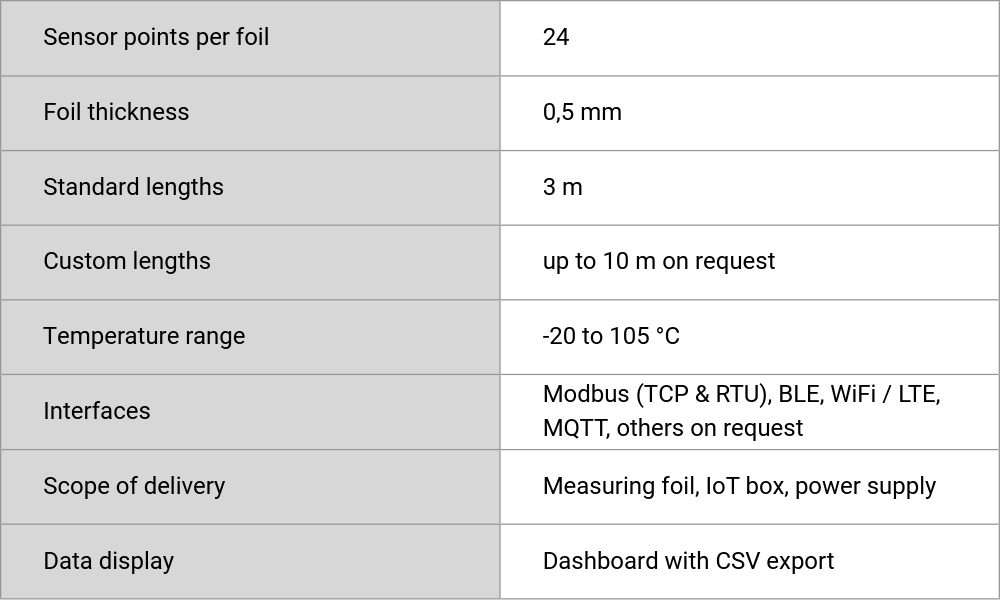
Seamlessly integrated – quickly installed, immediately ready for use
The Flexora sensor foil works like a second skin for machines and systems. With a thickness of less than 500 µm, it is extremely flexible and can be easily installed under insulation or in hard-to-reach areas without disrupting ongoing operations.
Installation is non-invasive, using adhesive strips or magnets. There is no need for drilling, welding, or complex cabling, enabling quick retrofitting in just a few minutes and seamless integration into existing systems.
Up to 24 integrated sensors capture temperature data in real time across large areas, ensuring precise, high-resolution temperature monitoring.
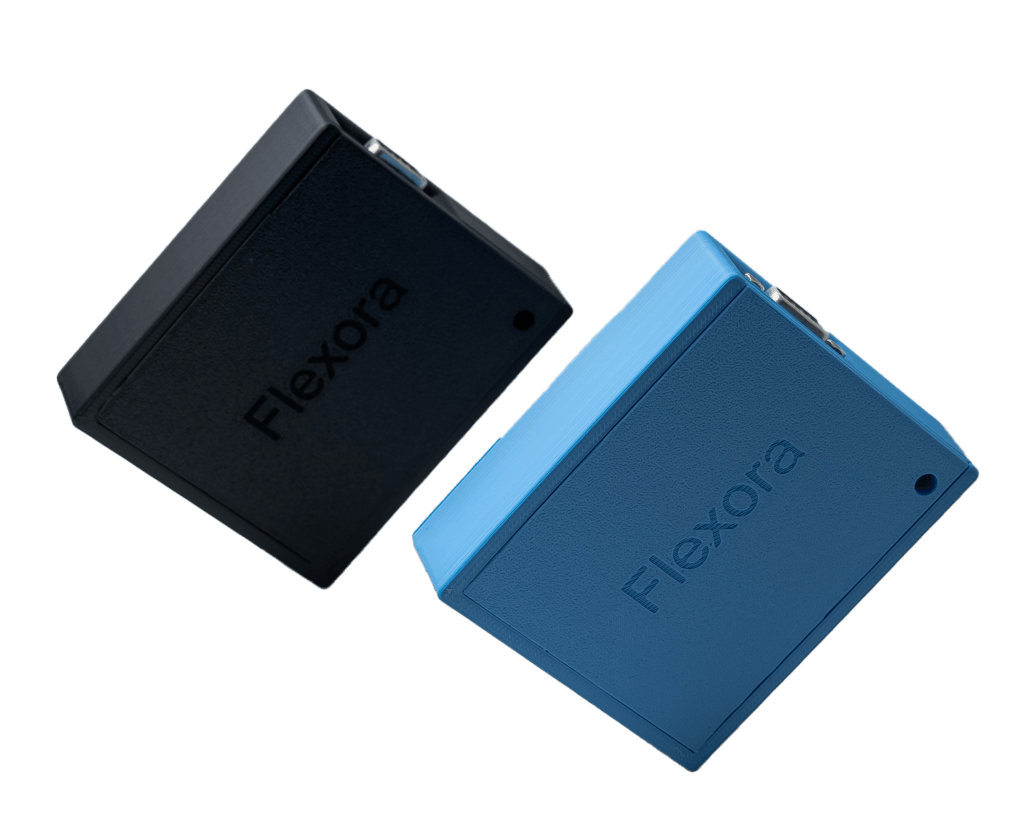
Flexible connectivity and intelligent data transmission
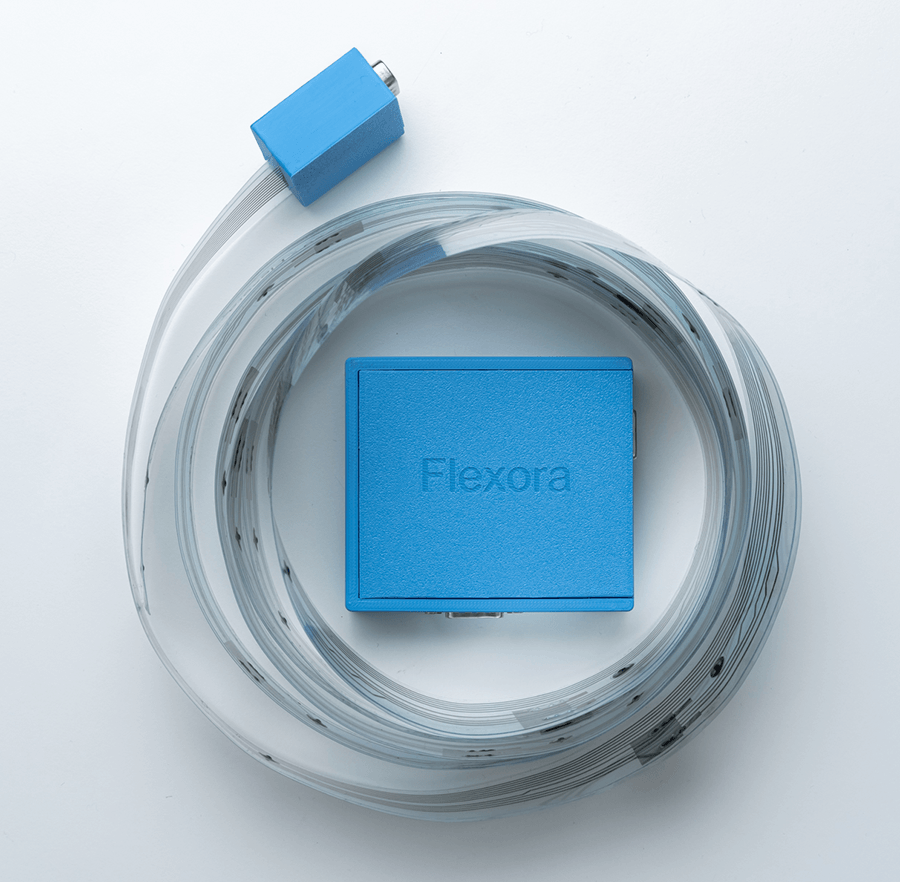
The Flexora Thalis data acquisition box ensures secure and continuous data transmission. It accurately reads the recorded temperature data, processes it for digital use, and sends it directly to the device of your choice.
Thanks to its versatile connectivity, the IoT box integrates seamlessly into existing control and automation systems and offers maximum compatibility.
On request, our software developers also support the implementation of custom data transmission protocols, ensuring that Flexora Thalis is optimally adapted to your existing system landscape.
Full control through intelligent data visualization
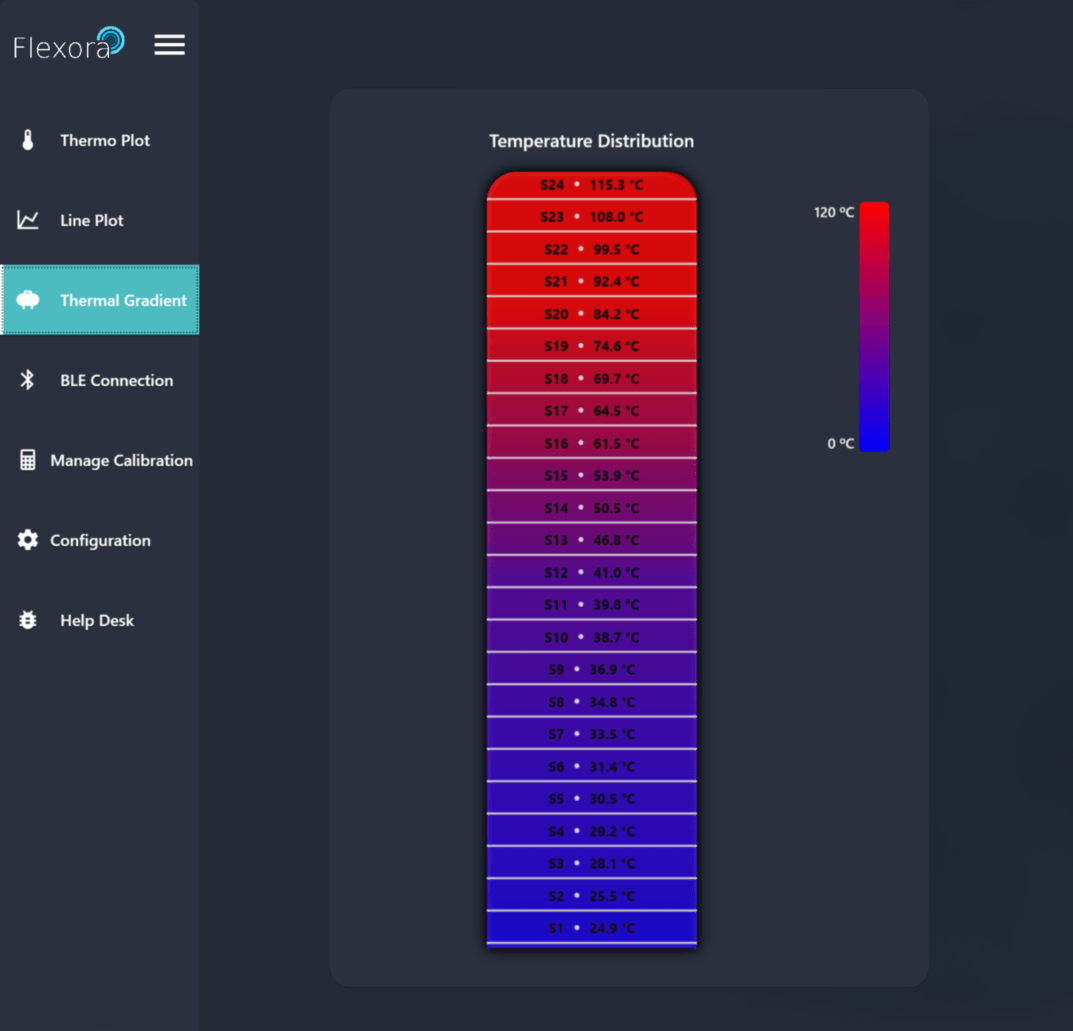
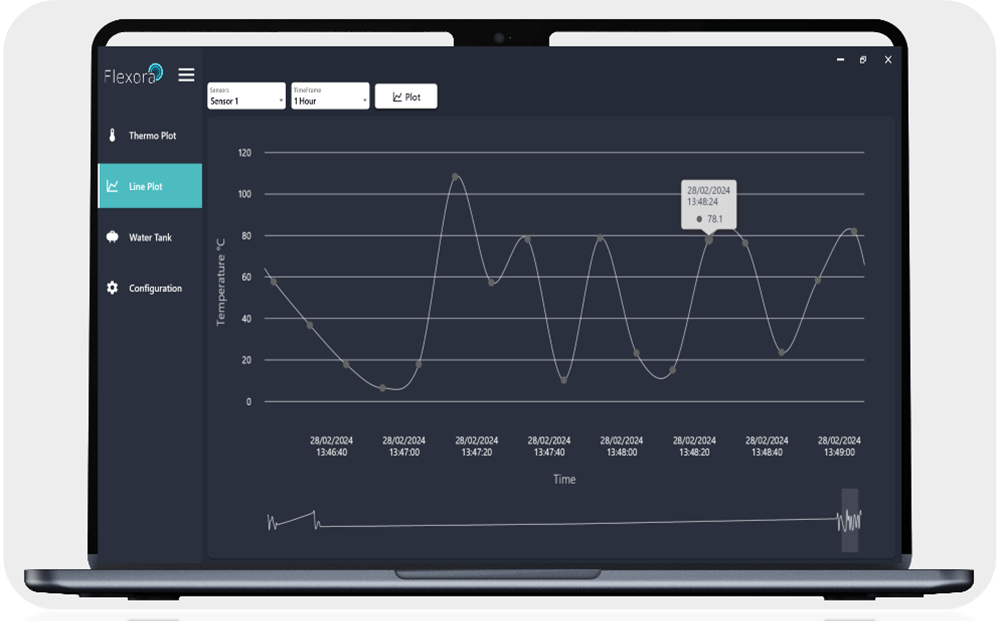
The Nexion dashboard allows you to continuously visualize the recorded data from your systems with location-specific detail. Temperature profiles are displayed as clear graphs and thermal maps and can be analyzed both in real time and historically. This gives you a detailed overview of the current status of your systems at all times, as well as trends over time and deviations in the process data.
The data visualization helps you better understand processes, make informed decisions, and identify optimization potential at an early stage. The system is complemented by flexible export functions, such as CSV format.
Based on the continuously collected data, digital twins can also be created, enabling location-independent monitoring and intelligent automation.
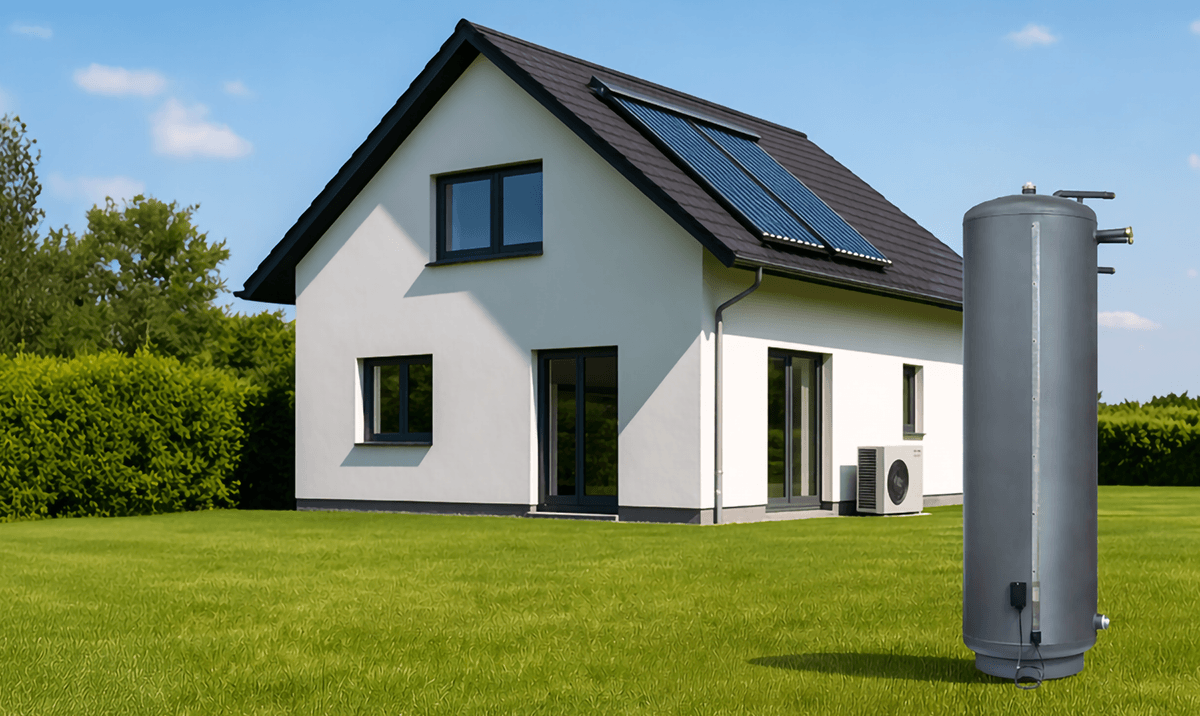
High-resolution temperature monitoring for maximum transparency in heat storage tanks
The high-resolution temperature monitoring of Flexora Thalis provides the level of data depth essential for precise, efficient, and intelligent thermal management.
Our flexible temperature sensors generate a detailed, spatially resolved temperature profile across the entire storage system, giving you continuous insight into the current state of charge and the actual available energy. This allows you to optimally control charging and discharging processes, minimize energy losses, and significantly increase the overall efficiency of the system.
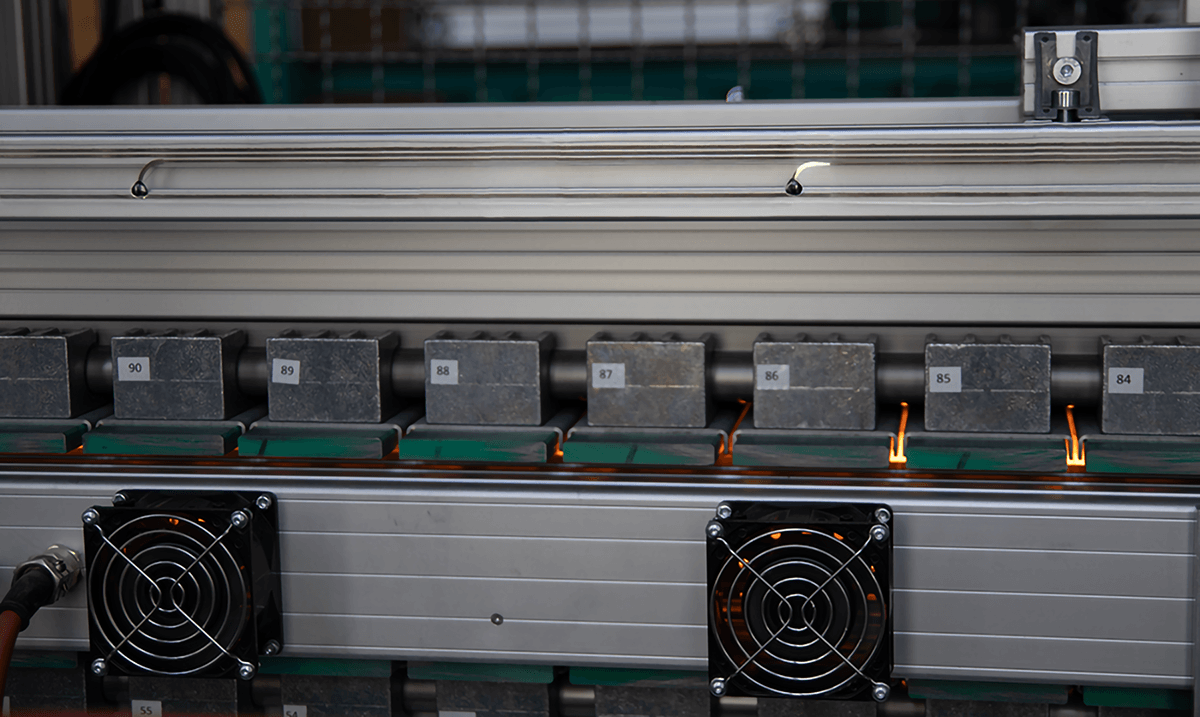
High-resolution temperature data for transparent and optimized process systems
The high-resolution temperature monitoring from Flexora Thalis provides detailed, spatially resolved insights into thermal conditions across entire process plants.
Thanks to a high sensor density of 24 measurement points, temperature profiles are precisely captured over large areas, making even the smallest deviations reliably visible. The resulting data forms a solid foundation for data-driven process optimization, more efficient plant control, and the implementation of predictive maintenance.
Benefit from large-area, high-resolution temperature monitoring for deeper insights, better decisions, and more efficient processes.


Frequently asked questions about THALIS
Answers about the THALIS system, its high-resolution sensor film, installation, customization and data output.
What is included in the THALIS system?
THALIS is a complete temperature measurement system consisting of a THALIS sensor film with 24 temperature sensors and a THALIS IoT measurement box. In practice, THALIS is also sometimes used as the name of the associated measurement box or sensor film.
Which measurement tasks is THALIS suitable for?
THALIS is particularly suitable for very long measurement paths where many sensors are needed to achieve good spatial resolution, as well as applications requiring exceptionally high sensor density over a short distance.
How are the 24 sensors distributed on the THALIS film?
On standard films, the 24 measurement points are generally distributed evenly. On request, Flexora can adapt the arrangement to almost any technically feasible application-specific pattern.
How is a THALIS sensor film installed?
The thin sensor film can be attached to a surface, placed between components or bonded using a self-adhesive backing. Depending on the surface and application, other fastening methods such as magnets are also possible.
Can THALIS films be customized?
Yes. Film length, shape or width, sensor spacing and connection-cable length can be adapted to the application on request.
How many THALIS films can be connected to one measurement box?
One THALIS IoT measurement box accepts one THALIS sensor film with up to 24 temperature sensors.
Which interfaces does THALIS provide?
The IoT measurement box supports Bluetooth-connected dashboard software and data transmission through MQTT and Modbus TCP. Depending on the box version and project, further wired or wireless interfaces may be available. The exact configuration is described in the data sheet and can be coordinated for the project.
Can the THALIS sensor film be reused?
A film that is inserted or attached using a removable method can generally be reused. After self-adhesive installation, reusability depends on the adhesive, surface and operating conditions.
Where can I find the measurement range, accuracy and further technical data?
The temperature range, measurement accuracy, measurement interval, response time, available standard lengths and further technical parameters are provided in the current THALIS data sheet and in the technical specifications on this product page.